Kah-gil: The Straw-and-Clay Plaster That Keeps Afghan Roofs Dry
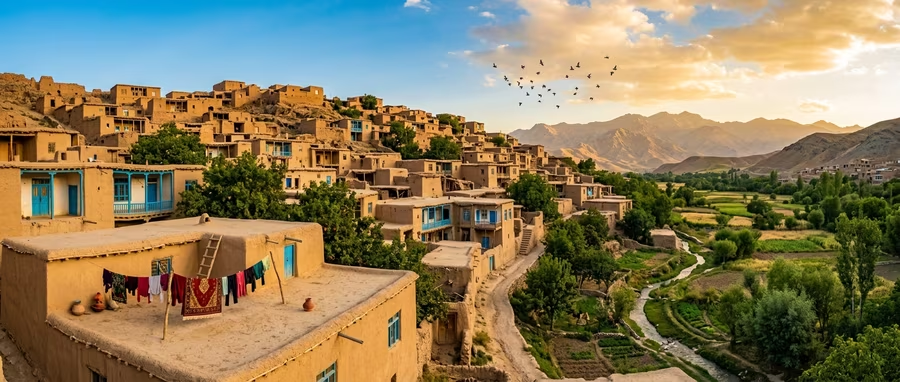
Kah-gil: The Straw-and-Clay Plaster That Keeps Afghan Roofs Dry
Long before cement became common in Afghanistan, families sealed their roofs against snow and rain with nothing more than clay, chopped straw, and water — a mixture still applied by hand today, in cities and villages alike.

[Read More]

Khurjin: Afghanistan's Handwoven Wool Saddlebag

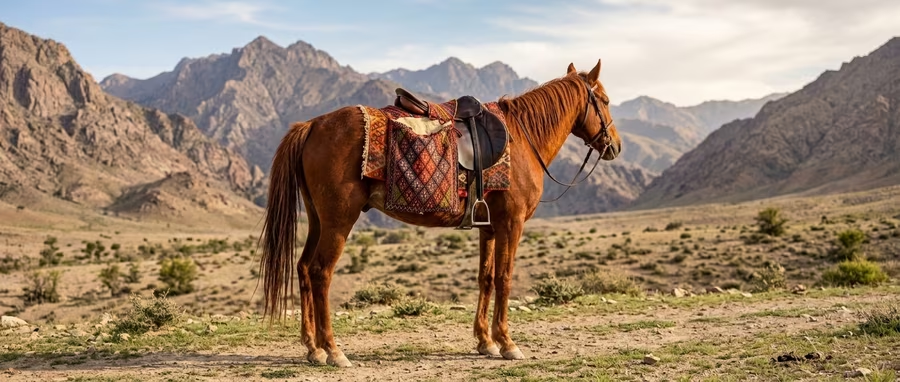
Khurjin: Afghanistan's Handwoven Wool Saddlebag

The khurjin is one of the most practical objects rural Afghanistan has produced — a double-pocketed wool saddlebag, woven flat on the ground and then folded and stitched into shape. It travels to the field, the market, the mill, and back, draped across the back of a horse or donkey — and increasingly, hanging from a bicycle or motorcycle too.

[Read More]

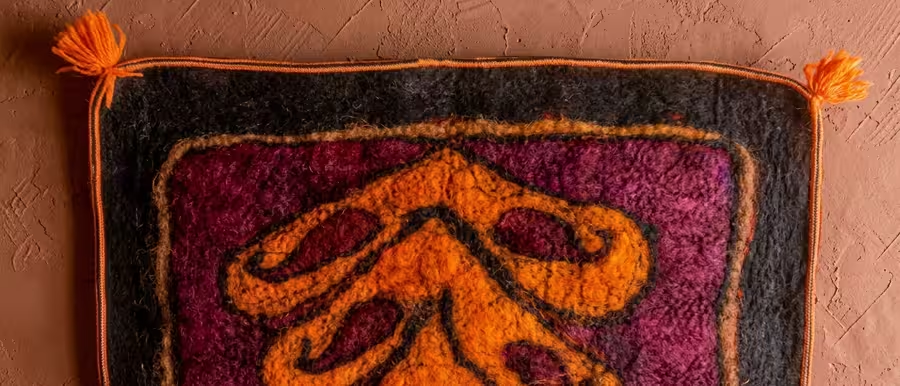
Namad: Afghanistan's Felted Wool Mat

Namad: Afghanistan's Felted Wool Mat

Namad (نمد) is one of Afghanistan’s oldest crafts. Unlike a carpet or a buria, it needs no loom, no shuttle, and no knots. Raw wool, hot water, and sustained pressure are all it takes — and several hours of collective effort from the women of a village.

[Read More]

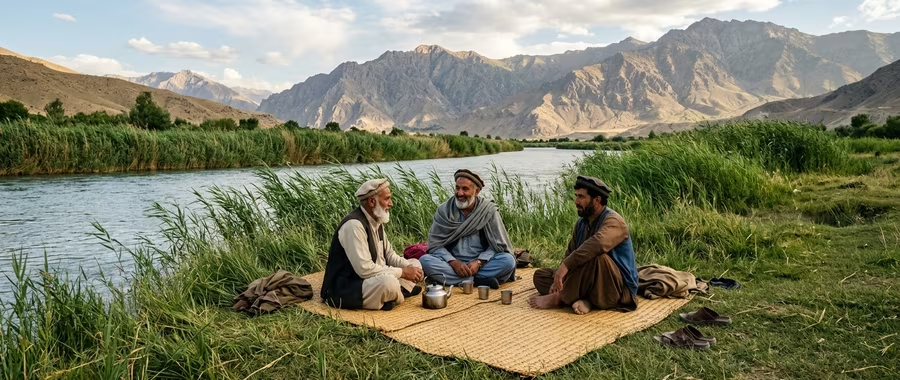
Buria: Afghanistan's Ancient Reed Mat

Buria: Afghanistan's Ancient Reed Mat

The buria predates the carpet. Before wool was knotted and dyed, Afghan families were weaving reed mats from plants that grew wild along rivers like the Helmand and the Amu. Simple, durable, and free to make — it is one of the oldest crafts still practiced in Afghanistan.

[Read More]