Boji-Dozi: Afghanistan's Sack Embroidery Craft
Boji-Dozi: Afghanistan's Sack Embroidery Craft
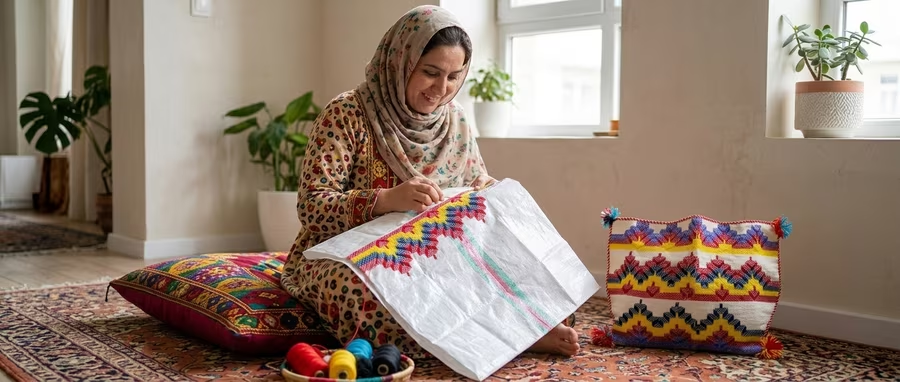
One of Afghanistan’s simplest handicrafts starts with something most people would throw away: an empty sack. Boji-dozi — literally “sack-embroidery” — turns that plastic-woven material into something worth using, from shopping bags to table spreads, with nothing more than colored thread, a needle, and a hand-stitched design.

[Read More]

Khurjin: Afghanistan's Handwoven Wool Saddlebag

Khurjin: Afghanistan's Handwoven Wool Saddlebag

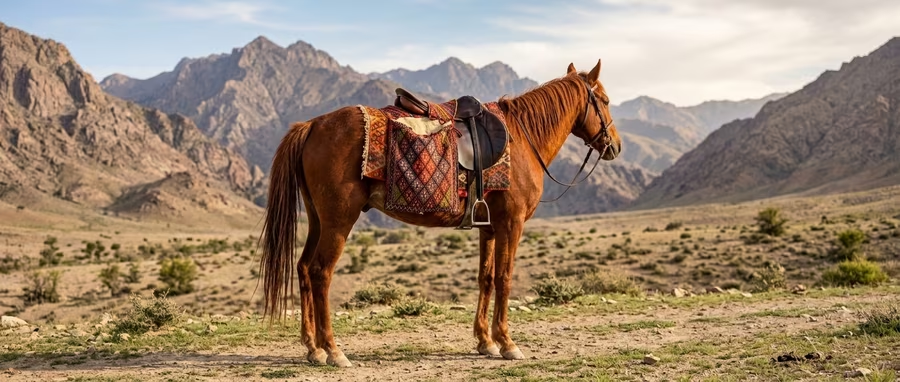
The khurjin is one of the most practical objects rural Afghanistan has produced — a double-pocketed wool saddlebag, woven flat on the ground and then folded and stitched into shape. It travels to the field, the market, the mill, and back, draped across the back of a horse or donkey — and increasingly, hanging from a bicycle or motorcycle too.

[Read More]

Afghan Carpets: From Tribal Looms to Global Markets

Afghan Carpets: From Tribal Looms to Global Markets

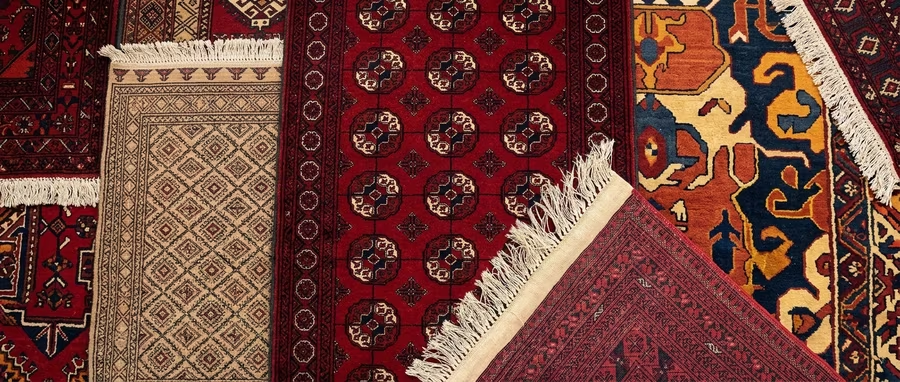
A hand-knotted Afghan carpet can take months to weave and travel thousands of miles before it reaches a buyer who has no idea how it was made, graded, or named along the way. Here’s the full story — from the loom to the global market.

[Read More]

Buria: Afghanistan's Ancient Reed Mat

Buria: Afghanistan's Ancient Reed Mat

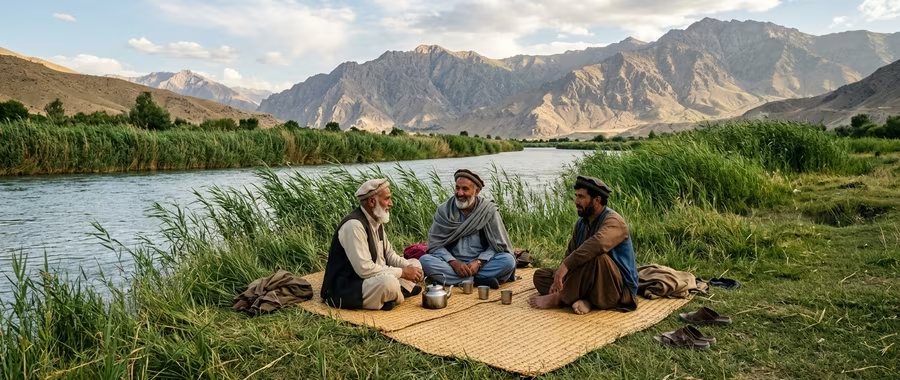
The buria predates the carpet. Before wool was knotted and dyed, Afghan families were weaving reed mats from plants that grew wild along rivers like the Helmand and the Amu. Simple, durable, and free to make — it is one of the oldest crafts still practiced in Afghanistan.

[Read More]