No Afghan meal is really complete without naan (نان). It shows up at breakfast, lunch, and dinner — and depending on what goes into the dough and how it’s baked, it can end up looking and tasting like a completely different food.
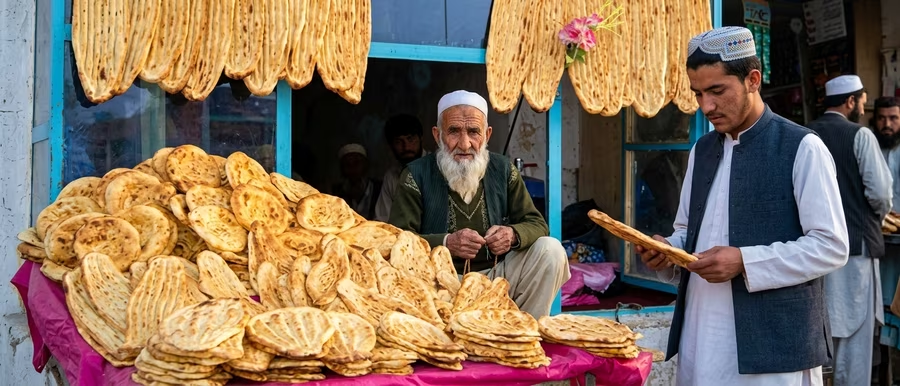
Wheat, barley, or corn
The starting point for any naan is the flour, and Afghanistan uses three: wheat, barley, and corn. Wheat flour itself splits further depending on whether the bran is milled out — bran-in flour is darker and coarser, while bran-free flour is lighter. In Afghan cities, bran-free wheat flour is by far the most common choice for everyday bread.
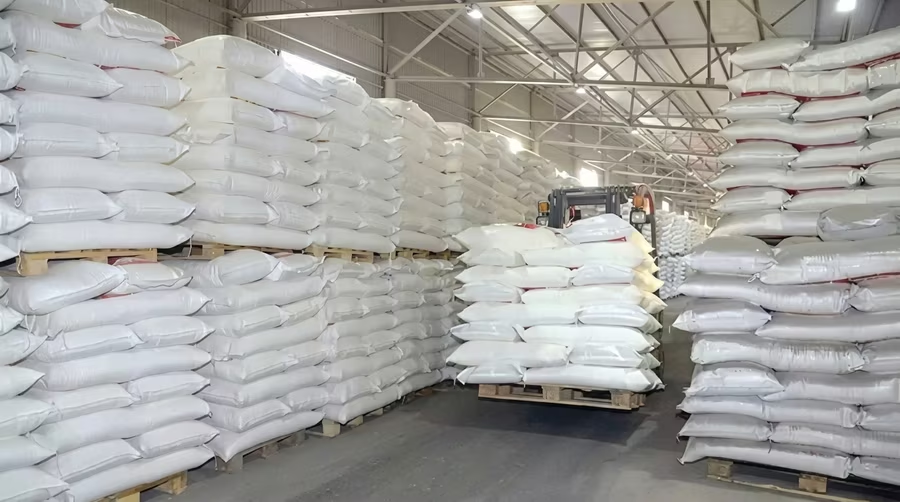
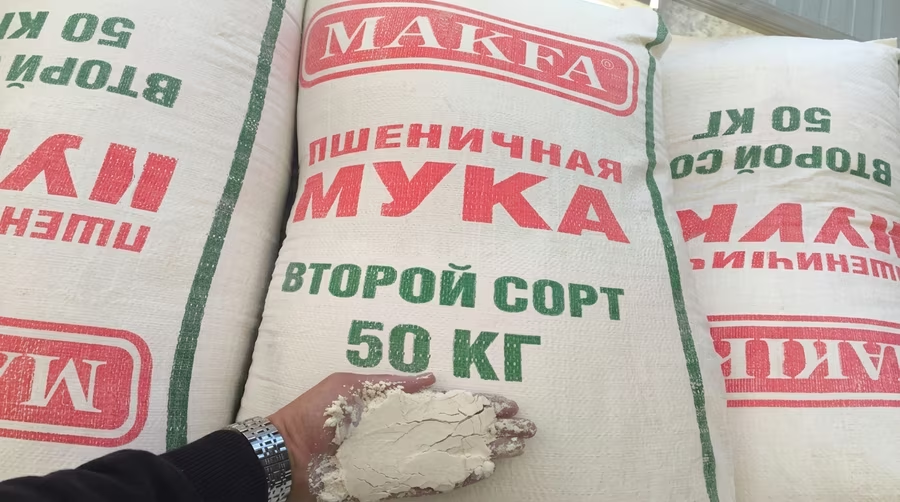
Where that flour is imported from has also changed. Until around 2005, it was almost entirely Pakistani. Kazakh flour then started appearing alongside it, and within a few years had replaced it completely — bakers found it whiter, softer, and cleaner to work with. Today, imported flour comes from Kazakhstan.
A dozen shapes of the same idea
Beyond the flour, Afghanistan has a long list of naan varieties, each with its own texture and place at the table. The most traditional and widely eaten include:
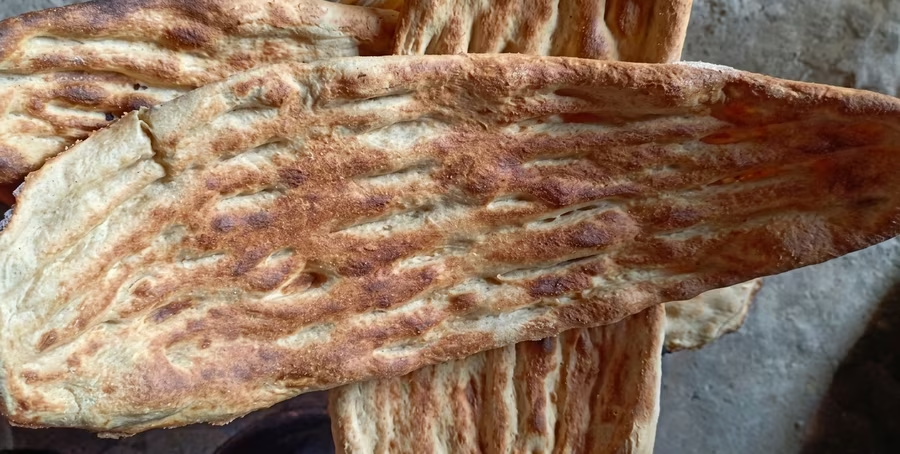
- Naan-e-tandoori (also called panjakash) — the everyday tandoor bread, pressed onto the wall of a clay or metal oven
- Naan-e-roghani — an oil-enriched bread, softer and richer than everyday tandoori bread
- Naan-e-patir — a breakfast bread eaten with sweetened tea, stamped with a decorative fan pattern
- Naan-e-chapati — a thinner, plainer flatbread
- Naan-e-paraki — a sturdier flatbread baked specifically for meals of rice or pulao
- Kulcha — a decorated, cookie-like bread often served on special occasions
- Naan made from barley or corn flour instead of wheat
Of all of these, naan-e-tandoori is the one eaten with nearly every meal, which is why most of what follows is about how it gets made.
What goes into the dough
The base of any naan dough is flour, water, and a starter to make it rise. From there, what’s added depends on the type of bread.
Water just needs to be clean — its job is simply to bring the dough together. Oil, whether from a plant or an animal source, goes into richer breads like patir, roghani, and kulcha. Some of those same breads use milk instead of water, or alongside it. Eggs are worked into the dough or brushed on top of patir and kulcha before baking, giving them their glossy finish.
For the rise, many households still prefer a homemade starter over a packaged one — simply a piece of dough saved from the last batch, rather than store-bought yeast, for people who bake bread regularly enough to always have some on hand.
Salt or sugar marks the difference between a bread meant to go with a meal and one meant for breakfast. Naan eaten alongside food — tandoori, chapati, paraki — is salted. Naan eaten more like a pastry — roghani, patir, kulcha — is sweetened instead, and often finished with a scattering of nigella seed or sesame on top.
The tandoor
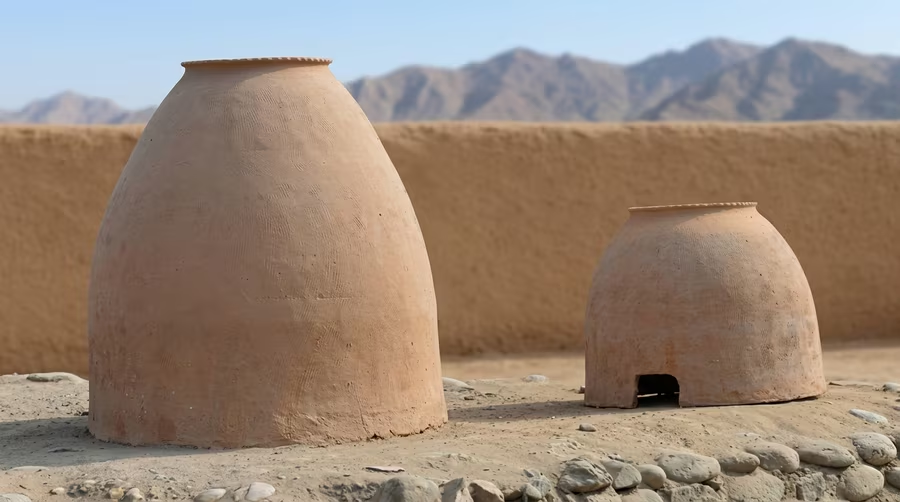
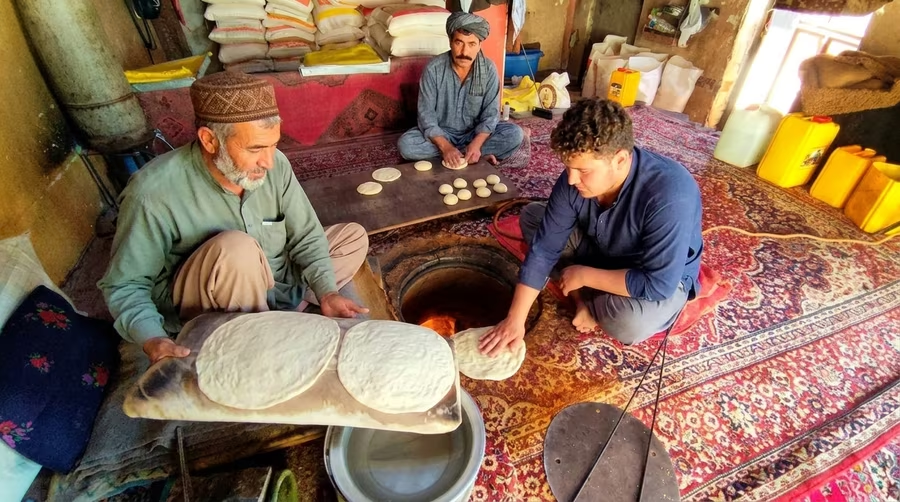
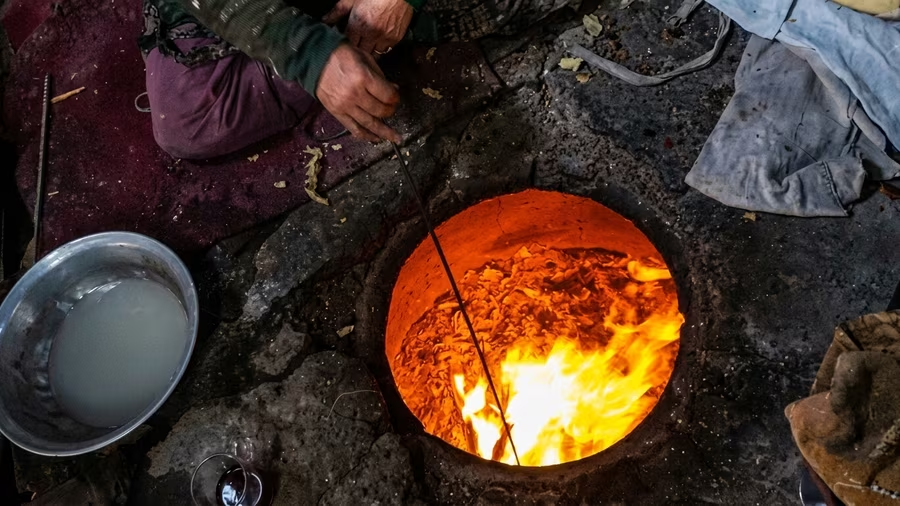
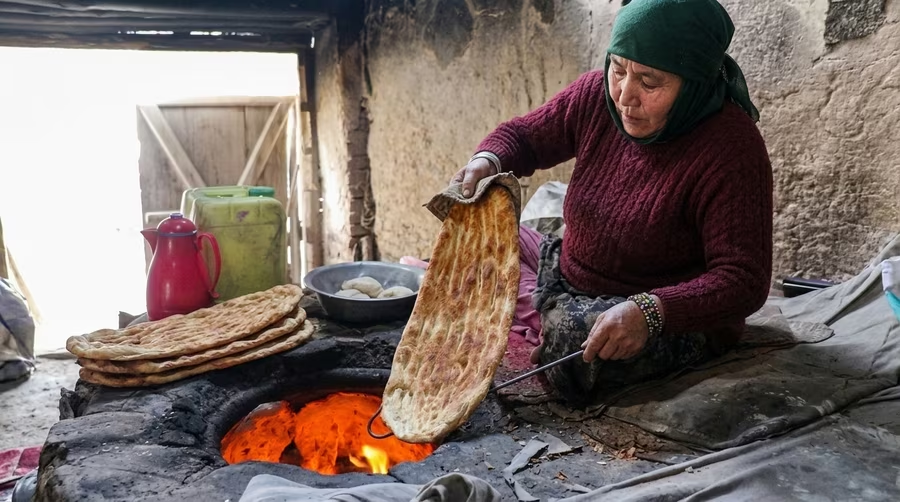
Everyday tandoori bread is baked in a tandoor: a hollow, cone- or jar-shaped oven traditionally built from clay. Wood is burned inside it until the walls are searing hot, and the dough is pressed directly onto that hot clay to bake.
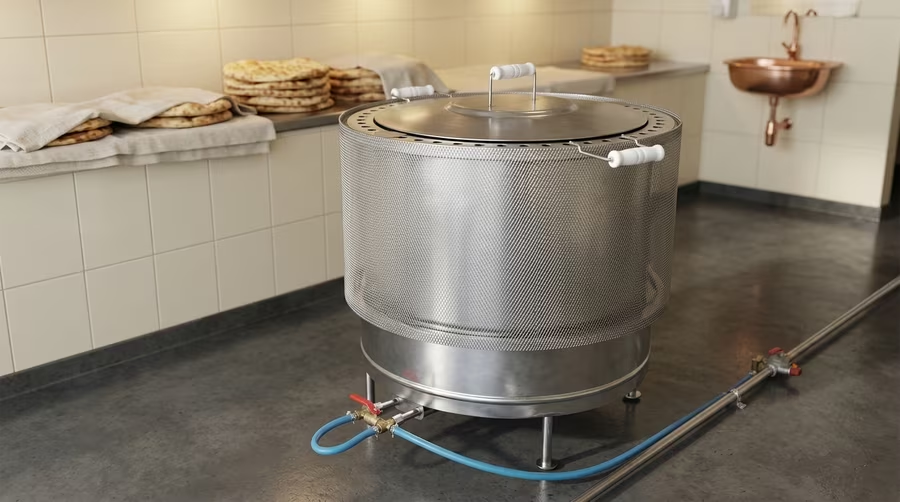
Gas-fired versions have also become common. They keep roughly the same shape but are built from sheet metal instead of clay, with a flame at the back and center controlled by a gas valve — trading firewood for a fuel that’s easier to regulate.
How naan-e-tandoori is made
The dough starts with flour, salt, a starter, and water, mixed and kneaded by hand until it comes together fully. Once it’s ready, it’s covered with a cloth and left to rest for at least three hours, until it has roughly doubled in size.
The risen dough is then divided into round balls, called zawala, and left to rest again. While they rest, the tandoor is prepared: wood is arranged and lit at its center, and once the clay is hot, the inside walls are wiped clean with a cotton cloth.
Each rested ball is then shaped by hand — flour is dusted on one side, water brushed on the other, and the dough is flattened and stretched. Water is splashed lightly across the wet side, and the floured side is pressed against the hot tandoor wall. The baker drags several fingers down the dough as it’s pressed in, leaving the ridged lines that give panjakash bread its name — “panja” means hand, or fingers. The bread bakes on the wall for a few minutes, is pulled off once done, and is left to cool before it’s eaten.
Baking at home, or at a bakery
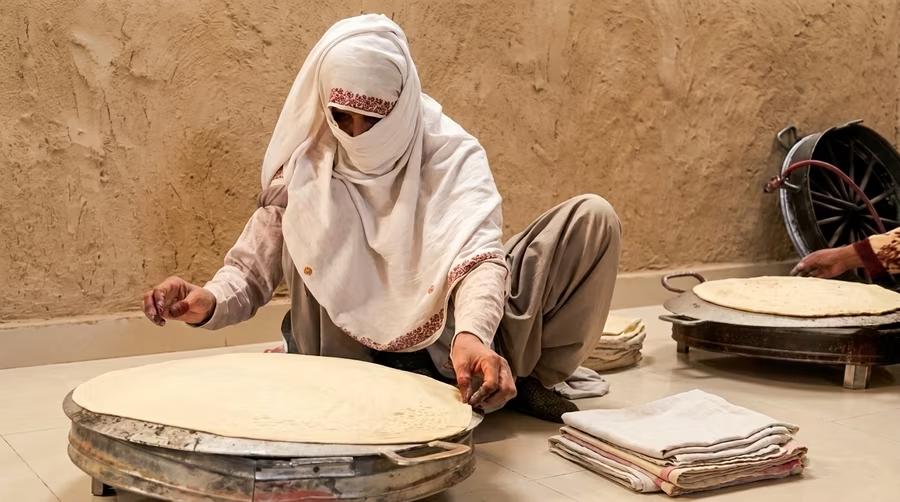
Naan-e-tandoori doesn’t have to come from a bakery. Many housewives — in villages, but also in cities like Kabul — mix and shape the dough themselves and bake it at home, usually two or three times a week, on their own tandoor, clay or gas.
Everyone else gets it from a neighborhood bakery (nanwayee in Dari), and there are two kinds, split by who does the work. At a women-run bakery, the baker herself is a woman, and customers bring dough they’ve already mixed and shaped at home — the baker’s job is just to bake it. These bakeries typically bake only the one type: naan-e-tandoori.
Men-run bakeries employ more people and cover more ground. Roles are divided: one person shapes the dough balls, another flattens them, another presses them onto the tandoor wall, another pulls the finished bread out, and another sells it. These bakeries buy their own flour, mix and shape the dough themselves, and sell bread ready to take home — alongside tandoori, they often bake the other traditional varieties too. For most people, that makes buying from a men-run bakery simpler than from a women-run one, since there’s no dough to prepare in advance.
The other shapes on the table
Chapati is the plainest of the everyday breads — round, thin, and lightly charred in spots, closer to a simple flatbread than to tandoori bread. Despite the shared name, it isn’t the same bread as the chapati found in Indian cooking — the size, the dough, and the way it’s baked are all different.
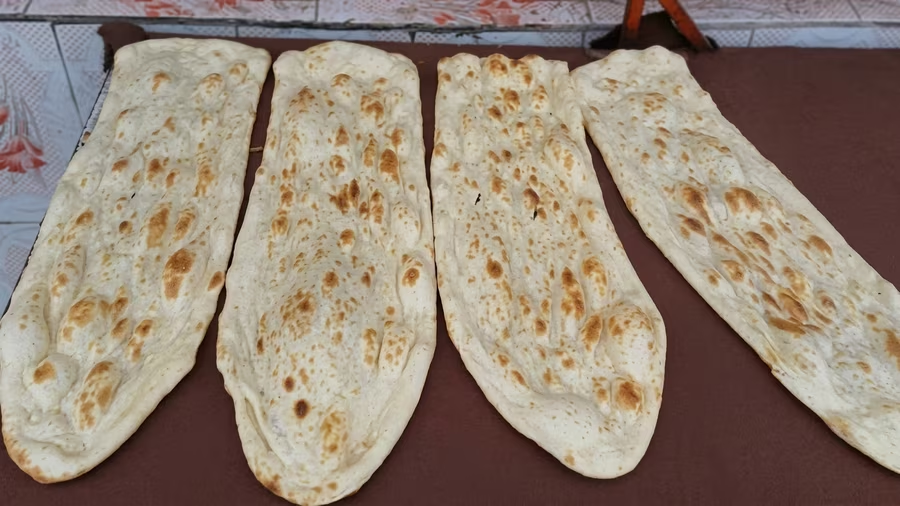
Paraki is longer than the others, made specifically to go with rice dishes like pulao rather than served as an everyday side.
Roghani gets its name from the oil worked into the dough, added so the bread stays soft for more than a day instead of going stale by the next morning. That softness comes at a cost: oil makes the dough more expensive, and the tandoor has to be wiped clean after every batch — otherwise the oil left on its walls will smoke and taint the next round of bread baked in it.
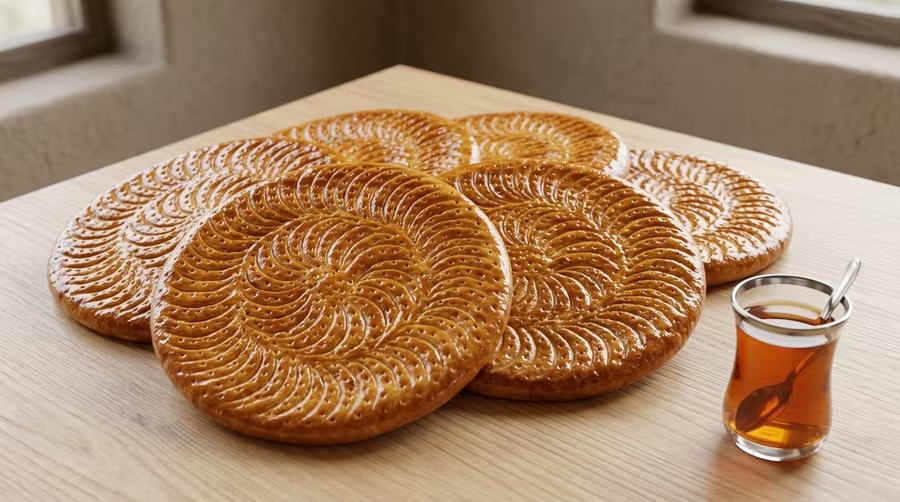
Patir is stamped with a decorative fan pattern before baking, giving it a glossy, finely ridged top — the bread most often eaten at breakfast with sweetened tea, rather than alongside a meal.
Bread instead of a spoon
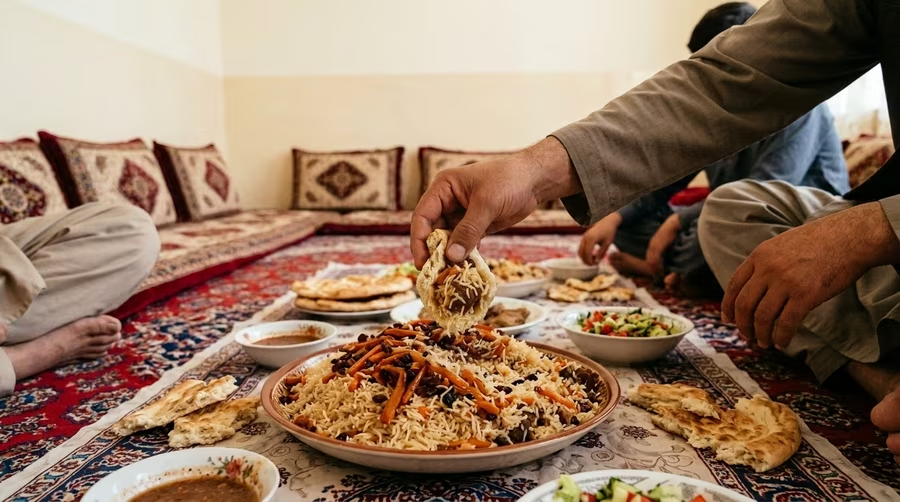
At the table, naan does more than sit alongside the meal. Many Afghans tear off a piece and use it to scoop up rice, stew, or sauce instead of reaching for a spoon — bread and food are treated as roughly equal parts of the plate, not one as a side to the other.
Today
Naan is the one part of an Afghan meal that’s never skipped. Dishes change with the season, the occasion, or what’s on hand, but bread is always there — filling, affordable, and baked fresh within walking distance of nearly every home. It’s less a side to the meal than the foundation the rest of it is built on.
Gallery: Naan, Start to Finish
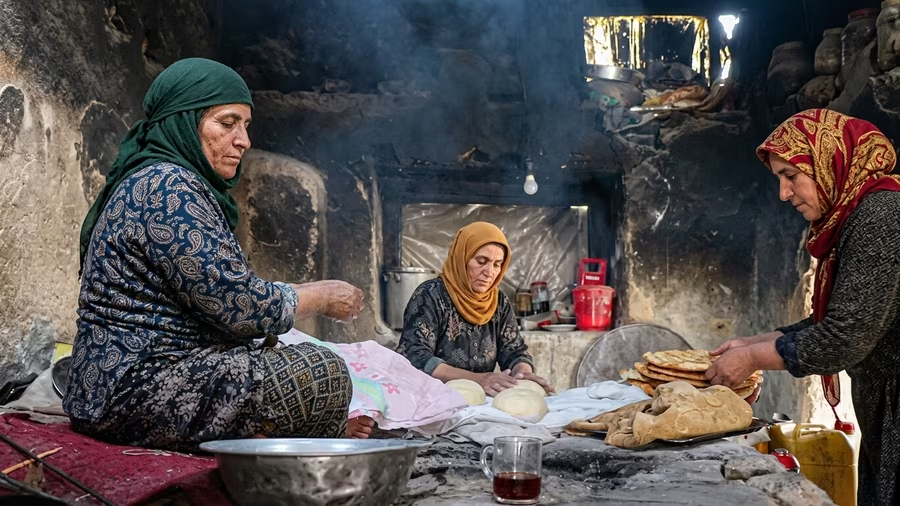
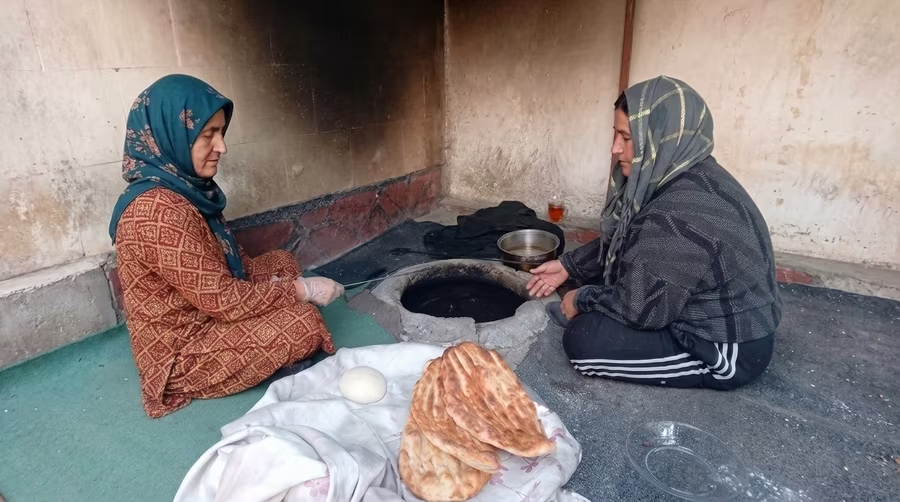
Naan-e-tandoori doesn't require a bakery at all — many households bake it themselves, two or three times a week, on their own tandoor.
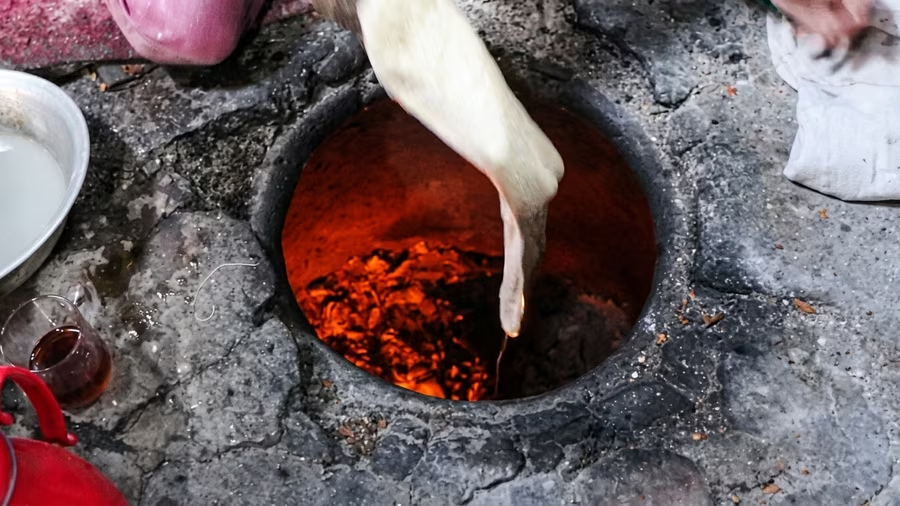
The dough is stretched out and lowered in, a moment before it's pressed against the hot tandoor wall.
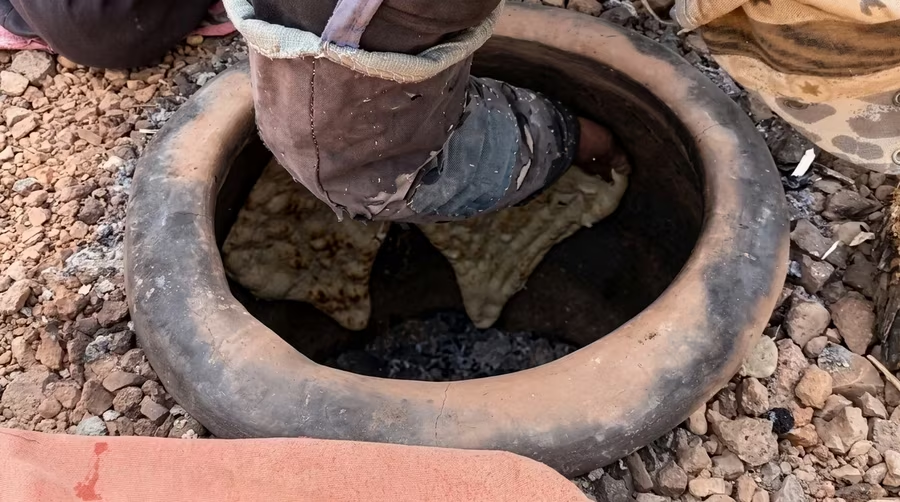
Not every tandoor stands above the ground — some are set low, with the coals down inside the pit itself.
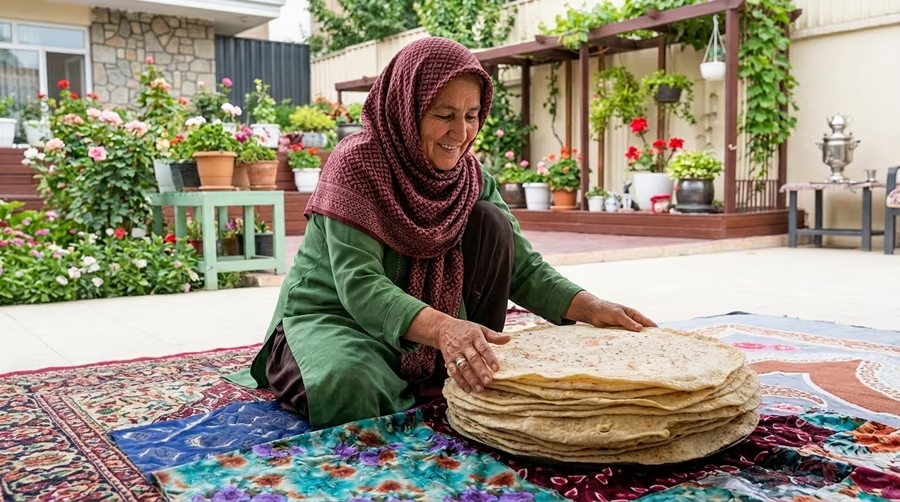
A stack of chapati — the plainest of the everyday breads, thinner than tandoori and lightly charred in spots.
Do you have a comment or something to share? contact us: info@aboutafg.com