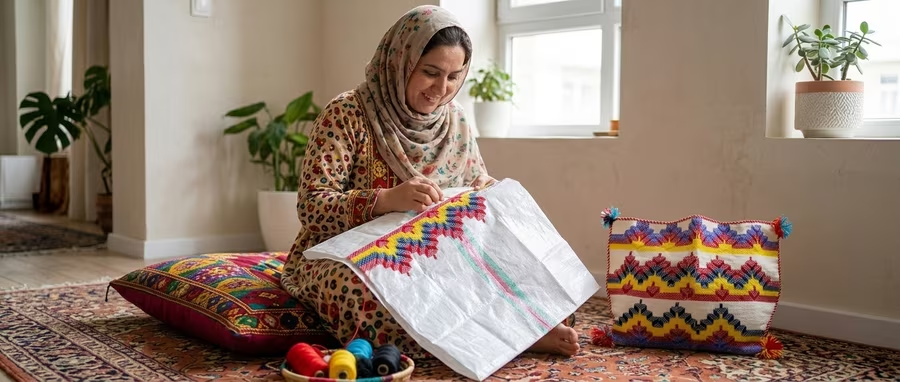
One of Afghanistan’s simplest handicrafts starts with something most people would throw away: an empty sack. Boji-dozi — literally “sack-embroidery” — turns that plastic-woven material into something worth using, from shopping bags to table spreads, with nothing more than colored thread, a needle, and a hand-stitched design.
What boji-dozi is
Boji-dozi (بوجی دوزی) combines two Dari words: boji — sack — and dozi — embroidery, or stitching. It is the practice of embroidering colorful patterns onto plastic-woven sacks — the same kind used to carry flour, rice, or grain — and turning them into finished household items. Cotton or string sacks aren’t used for this; the technique specifically calls for the sturdier woven plastic.
What it’s used for
The finished pieces show up in everyday life:
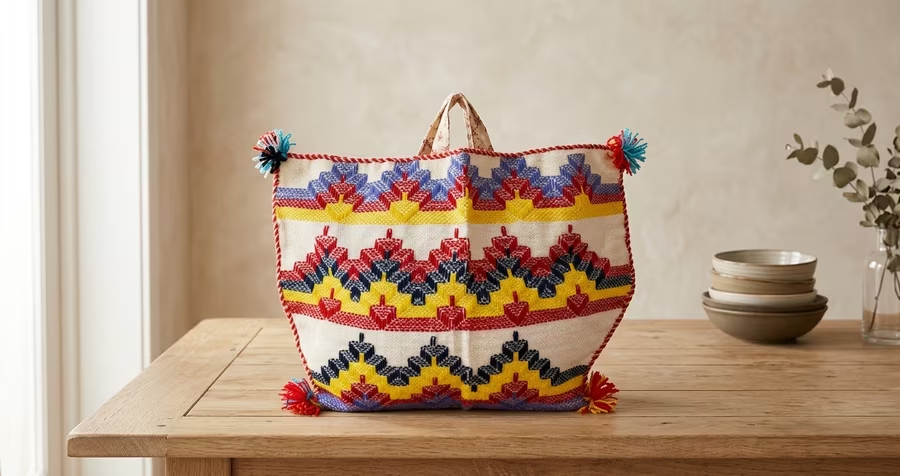
- Shopping bags — sturdy, reusable, and decorated with the maker’s own pattern
- Destarkhan — a cloth or plastic sheet spread on the floor to dine around. It protects the carpet underneath from spills and dropped food, and works the other way too — if the carpet itself isn’t clean enough for food, the destarkhan keeps the meal off it
- Khurjin — a saddlebag-style pannier, stitched from embroidered sack material rather than woven from wool like the traditional khurjin; boji-dozi versions are typically made smaller, sized to hang from a motorcycle or bicycle rather than a pack animal
Materials
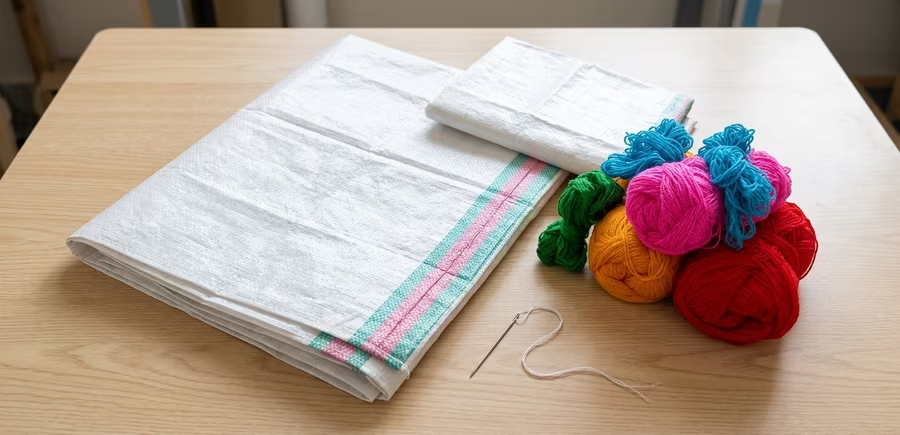
Only three things go into a piece of boji-dozi:
- Boji — boji on its own just means “sack,” but for this craft it specifically means the plastic-woven kind
- Colored thread — several colors, chosen for the design
- A needle
How it’s made
The washing, cutting, and embroidery steps are the same no matter what’s being made. What changes is the shape the sack is cut to, and how the piece is finished at the end — a bag is folded and closed differently than a flat destarkhan or a two-sided khurjin. The steps below use a shopping bag as the worked example.
The work starts with a white plastic sack that hasn’t been used for anything else yet. It’s washed thoroughly first, to clear out any dust or leftover flour, then left to dry completely.
Once dry, the sack is cut to the shape the finished piece needs — for a bag, that means cutting both layers together to the bag’s outline. Before any embroidery starts, the raw edges are folded inward all the way around and stitched down neatly. This keeps the sack’s woven threads from unraveling once the embroidery work begins.
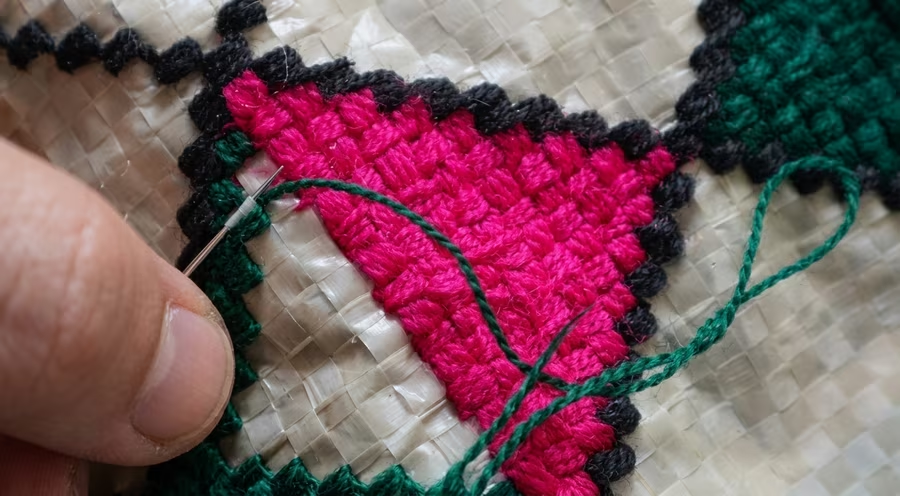
With the edges secured, the maker stitches the chosen design directly into the weave of the sack, guiding colored thread through with a needle, section by section, until the pattern is complete.
For a bag, once the design is finished, the embroidered piece is folded in half and the two open sides are stitched shut with colored thread, forming the body of the bag. A handle — made from another strip of fabric, or from more sack material — is then attached at the opening, and the bag is ready to use.
A destarkhan is left flat rather than folded into a pouch, and a motorcycle khurjin is shaped and closed to hang properly on either side rather than carried by a handle.
Turning waste into something worth keeping
Boji-dozi doesn’t need a workshop or store-bought materials — just a sack that would otherwise be thrown away, some thread, and time. That practical, make-do resourcefulness runs through a lot of Afghan household craft: ordinary leftover material turned into something worth using, and worth giving.
Do you have a comment or something to share? contact us: info@aboutafg.com